
It’s a common trope in workplaces across the country — leadership enacts a wellness program and it fails to muster any real interest from employees.
While poking fun at a half-hearted corporate attempt at improving well-being can give employees a sense of togetherness, the core of the problem is rarely addressed:
Why do employers implement wellness interventions? And what are the barriers blocking well-intentioned wellness initiatives from having a meaningful impact?
[RELATED: Discover 4 steps to boost your wellness program’s engagement.]
What is a workplace wellness intervention?
A workplace wellness intervention is a structured program put in place by an organization aimed at improving the health and well-being of its employees.
Depending on the work environment, industry, and workforce demographics, some aspects of wellness interventions may differ. Yet, most programs focus on core elements, like stress management and work-life balance.
While well-meaning, the fact that many wellness interventions are not customized to the target population presents a huge barrier to effectiveness. Different occupations in the same industry, location, and even organization require tailor-made initiatives. Nurses in a particular healthcare system need different types of support than a group of physicians in the same system might. More granularly, clinicians by specialty often require customized initiatives.
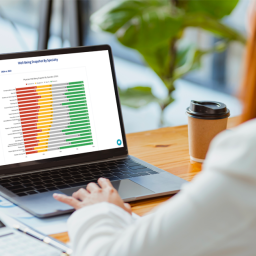
[RELATED: Explore physician well-being levels by specialty and more crucial data in the free 2024-2025 State of Well-Being report.]
An organization would likely never realize the level of nuance needed if they didn’t first collect baseline well-being levels.
Moreover, many common workplace wellness initiatives largely put the burden of change on the individual employees. Therefore, what’s intended to improve employee well-being, can quickly turn into another source of stress.
Why do employers implement wellness interventions?
According to a 2019 study on workplace wellness in Illinois, workplace wellness interventions in healthcare are “intended to reduce medical spending, increase productivity, and improve well-being.”
Some other results employers hope to see from wellness initiatives include…
- Reduced absenteeism
- Improved employee morale
- Increased employee retention
- More positive workplace culture
However, the Illinois study and others like it have found that many current wellness programs don’t produce the intended results. A 2024 article in the Harvard Business Review states that “nearly 85% of large U.S. employers offer workplace wellness programs, yet the burnout and mental health needs that they are meant to address have continued to escalate.”
The question, then, is why aren’t most current wellness programs working?
Why do so many workplace wellness interventions fail?
In an interview with Champions of Wellness, founder and CEO of Happy Teacher Revolution Danna Thomas points out that “yes, there is self-care. Yes, there is that individualized well-being process around autonomy and personal growth. But, there’s also community care. And no amount of bubble baths or manicures can replace or substitute for authentic human connection.”
A Solitary Burden
So often, the work of fighting burnout is put on the individual. It’s another task on an employee’s, clinician’s, and student’s already overwhelming to-do list. It’s another burden to take on alone. As the stress adds up, so does the money being poured into self-dependent wellness programs. It becomes a snake eating its own tail.
As a former Baltimore City Public School teacher, Thomas contends that the best way to prevent burnout and turnover is to implement systemic changes. Authors of the aforementioned Harvard Business Review article feel similarly:
“We argue — based on a systematic review of recent research in this area — that the lack of impact of well-being programs is explained in part by a focus on the individual employee rather than the systems that affect them.”
Blanket Wellness Programs
Although the work of wellness has historically been put on individuals’ shoulders, the initiatives are often void of personalization. It’s as if leadership throws a blanket over employee well-being in hopes that it covers the majority of the group.
Simply put, a program that works for one person or group may not work for another. Mandating a wellness initiative that alienates part of the workplace population—no matter how small—creates two sources of friction within the culture:
- Friction between employees: If not all employees are in favor of the wellness initiative, it can cause conflict between coworkers.
- Friction between employees and leadership: If leaders don’t seek out opinions on a wellness initiative, resentment tends to bubble up from employees.
This results in damaged morale, increased absenteeism, decreased productivity…everything organizational leaders are trying to counteract.
If not customized, even a voluntary wellness program can generate friction. For example, an organization-wide step challenge excludes differently-abled people and those who don’t have the time to get steps in. And if those able to participate are rewarded with discounted insurance premiums or other perks, the discord becomes even greater.
How can I tailor a meaningful wellness intervention for my workplace?
Creating a meaningful wellness intervention starts with two key components: the ability to track employee well-being over time and continuous communication with employees.
1. Tracking Employee Well-Being Over Time
To enact an effective wellness intervention, organizations must first understand the employees’ baseline well-being levels. Then, those levels have to be able to be tracked over time to determine if the intervention is working.
This approach identifies immediate needs as well as trends and potential areas in need of more support. Using a validated tool like the Well-Being Index to track employee well-being also…
- Yields data-driven insights: With an accurate read of stress levels, burnout rates, and overall morale, leadership can tailor interventions to address specific issues.
- Makes early intervention possible: Early detection of distress allows for timely intervention, stopping burnout from manifesting.
- Measures the long-term impact of wellness programs: A longitudinal analysis helps leadership understand which interventions cause a drop in stress levels, and which may need to be tweaked.
Successfully tailoring an employee wellness program takes some trial and error. So, it’s crucial that data trends be tracked, assessed, learned from, and used to expand or refine interventions.
2. Continuous Communication with Employees
The second key component of an effective wellness intervention is the ability to foster open and ongoing communication around well-being.
In an interview with Dr. Kevin Ng from the Permanente Medical Group serving Kaiser Foundation Hospitals in Walnut Creek, California, he highlights the need for open communication to create a culture of wellness. “We’re talking more about developing a culture of wellness throughout the organization,” he says. He goes on to explain that “leadership has to make it okay to talk about burnout.” When employees hear leaders talking about mental health and well-being, they feel safer bringing the topic up.
As leaders, we can’t build trust with employees if they feel burnout and mental health aren’t approachable topics. And, without trust, communication of any kind becomes strained. In the absence of meaningful communication, burnout is almost inevitable.
To encourage open and ongoing communication, leaders can…
- Promote a culture of care: When leaders consistently express their commitment to employee well-being, it promotes a culture of care. Consider implementing regular check-ins, wellness assessments, and open forums for discussion.
- Foster a supportive environment: Employees, especially those in high-stress roles, benefit from talking to others they can relate to. Leaders should encourage regular touchbases or gatherings between employees to increase morale and camaraderie.
- Implement a continuous feedback loop: Encourage regular feedback from employees so real-time adjustments to your wellness program can be made.
- Act on feedback: Show that feedback isn’t just collected, but is valued and acted upon. Relay any changes or new initiatives that result from employee suggestions.
Regular communication makes it possible for leaders to understand the unique needs and preferences of their staff. Personalized support based on anonymous feedback makes for an inclusive and effective wellness intervention.
How can I encourage employees to participate in a wellness intervention program?
It can be challenging to get employees to participate in workplace wellness initiatives. However, it’s more likely leaders will get buy-in from employees if they…
- Target the systems that affect employees’ well-being, as opposed to targeting the individuals.
- Set out to tailor the wellness intervention to their specific organization.
- Use a tool to track well-being over time and use data-driven insights to refine wellness initiatives.
- Keep communication open around burnout and regularly ask participants for feedback.
- Act—and showcase action—on employee feedback.
To get started building out a tailored wellness program, find out what proven methods other organizations have used to earn employee trust and foster a supportive work environment.